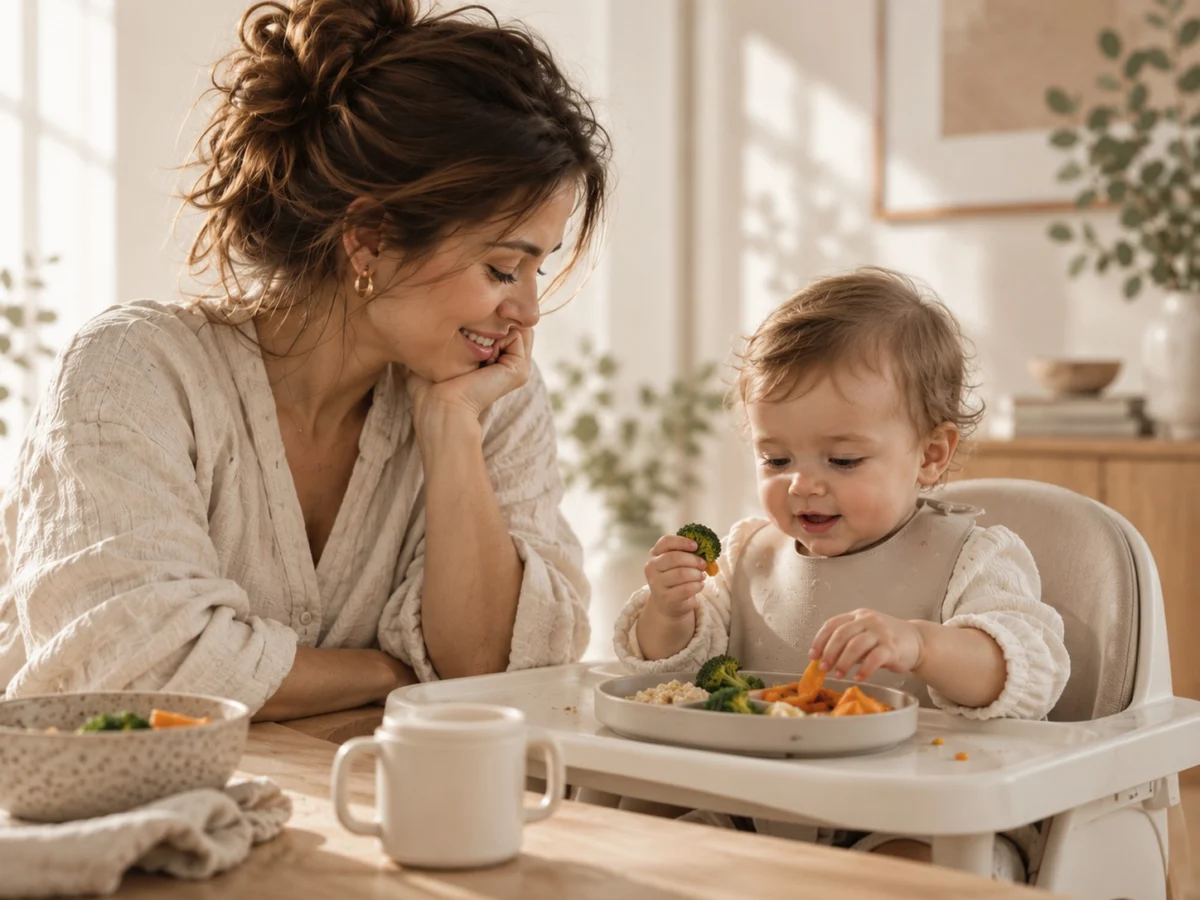
Some afternoons feel as if the kitchen never closes. A snack after daycare becomes crackers while dinner cooks, then a piece of cheese because your child says they are hungry again. By the time everyone sits down, the child may barely look at dinner and the adults feel as if they have spent the entire afternoon deciding whether food should appear.
The useful question is not whether snacks are good or bad. It is whether snacks have a recognizable place in the day or whether every expression of hunger starts a new negotiation. A little structure can make food feel more available and less constantly discussed at the same time.
Build the snack rhythm around the gaps your day actually has
A child who eats lunch early and dinner late may genuinely need a substantial afternoon snack. Another child may have a later lunch and need much less before dinner. The point is not to copy a universal timetable; it is to notice where the long stretches are in your own day.
Flexible anchors are often easier than exact clock times: after preschool, when you get home from the park, or midway between lunch and dinner. When the child knows another eating opportunity is coming, you do not have to invent a new answer each time they ask.
That predictability can reduce adult anxiety too. You can stop treating every request as a test of whether the child is truly hungry enough. If the next snack or meal is reasonably close, you can say so. If the gap is long, the plan can include food.
Exceptions do not break the routine. A birthday, road trip, late appointment, or unusually active day may need different timing. A useful rhythm bends around real life; it simply gives ordinary days a default shape.
Make a snack substantial enough to do its job, then let it end
Many all-afternoon snack loops begin because the first snack was tiny, highly snack-like, or served in installments. A few crackers may technically count as food but still leave a child asking for more ten minutes later. When that pattern is common, it can help to think of snack as a small eating occasion rather than a handful of something designed only to buy time.
You do not need elaborate snack boards. Familiar combinations are enough: yogurt and fruit, toast and cheese, leftovers from another meal, or whatever ordinary foods fit your family. Repeating simple options is often easier than maintaining a separate snack menu.
A snack also benefits from an ending. Food is offered, the child eats what they want from what is available, and then the eating moment closes. That creates a different rhythm from carrying food around the house, car, or playground for an hour.
If your child reliably asks for more almost immediately, use that as information. The snack may need to be larger, dinner may need to move earlier, or the day may contain a longer gap than you realized. The answer does not have to be policing hunger more intensely.
Handle the pre-dinner request without opening a second menu
The hardest moment is often twenty minutes before dinner. You are cooking, the child is hungry, and everyone is tired. This is where a routine can prevent a small request from turning into six different snack offers and then frustration when dinner is refused.
If dinner is truly close, you may simply say that food is almost ready. If waiting is difficult, offering a component of the meal can work well: some bread, cut vegetables, cheese, beans, or whatever is already being served. The child gets food without the adult creating a separate pre-dinner event.
On other days the better answer may be to move dinner earlier. If the family repeatedly discovers that a child is ravenous at 5:15 and dinner is planned for 6:30, that pattern is more useful than a rule about when children ought to eat.
The routine should reduce conflict, not force the child to preserve an appetite for an adult-preferred meal. Some days a child will eat a large snack and a small dinner. Appetite does not need to look identical at every eating occasion.
The real goal is to make food less administratively exhausting
A good snack routine gives adults fewer decisions and children fewer negotiations. It also leaves room for appetite to vary. One day a child may eat almost everything at snack and only a little at dinner; another day the opposite happens. You do not have to rebalance each variation in real time.
Notice whether the system is helping the family rather than whether it is being followed perfectly. Are there fewer random food requests? Is dinner less likely to begin immediately after an hour of grazing? Can you respond to hunger without feeling that the kitchen is permanently open?
Those are more useful measures than trying to engineer the exact amount a child should want at dinner. The purpose of snack structure is not to make a child hungry on command. It is to create clear, flexible eating moments so food no longer has to occupy the whole afternoon.