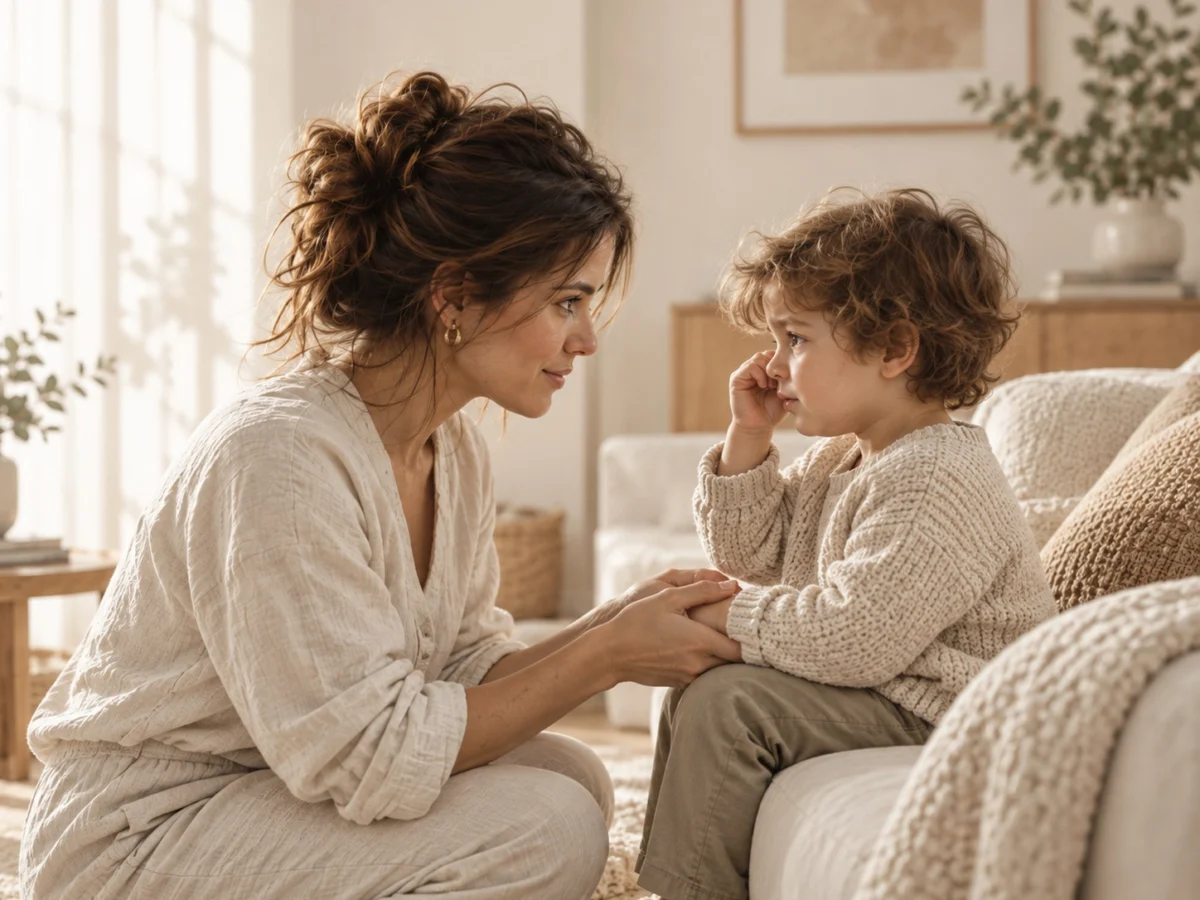
A nursery can begin as a practical project and quietly turn into a test of whether you are “ready.” Paint colors, matching baskets, specialized furniture and decorative details start to feel urgent because the room is visible in a way that feeding plans, sleep deprivation and family adjustment are not.
But the room will serve you better if it is designed around ordinary movements rather than a finished photograph. The goal is not to complete a perfect newborn room before birth. It is to create a space that works now and can change without fighting the family later.
Start with the jobs the room needs to do
Before choosing a theme, list the actual functions you expect from the space. Maybe it needs to store clothes and diapers, offer a place to change the baby, hold books and feeding supplies, provide comfortable seating, or simply keep baby gear from spreading through the rest of the home.
The baby may sleep there immediately, months later, or only occasionally at first. That does not make the room useless. A nursery can support the household as an organization and care space long before it becomes a regular bedroom.
Once the jobs are clear, furniture becomes easier to evaluate. A dresser may offer both storage and a changing surface. A comfortable chair you already own may be more useful than a highly specialized piece. A portable basket can move supplies to wherever changes actually happen.
Especially in a small room, one object doing two jobs often creates more calm than adding a separate product for every function.
Design storage for changing contents, not one short stage
Newborn storage is very specific: tiny clothes, diapers, burp cloths and care supplies. A few months later, the same room may need larger clothing, toys, books and things a mobile child can reach. Systems that only make sense for one category can age surprisingly fast.
Drawers, adjustable shelves and simple bins tend to last because their job can change. Today a drawer holds sleepers; later it can hold pajamas a child chooses independently. A basket that begins with feeding supplies can become book or toy storage.
Accessibility matters more than perfect symmetry. Frequently used things should be easy to reach when one hand is occupied. Rarely used or future-stage items do not need prime space just because they look neat there.
Watch the traffic pattern of your home too. If every diaper lives upstairs but most changes happen downstairs, the nursery has won an aesthetic argument and lost a practical one. A small secondary station in the part of the house where you spend time can be more useful than concentrating everything in one beautiful room.
Leave some decisions unfinished until the room teaches you something
Before living with a baby, it is difficult to know which chair you will use, where clutter will accumulate or whether a particular organizer is solving a real problem. Empty floor space and an undecided wall are not failures.
Leaving room to add something later means the room can respond to habits instead of forcing habits to justify purchases made months earlier.
The same principle works visually. Large, expensive pieces do not have to depend entirely on a newborn theme. Neutral does not have to mean bland; it simply means the parts that are hardest to replace can carry smaller details that are easy to change.
Books, artwork, textiles, toys and a child’s own preferences will eventually add more personality than any perfectly coordinated set. A room that has breathing space can absorb those layers rather than needing a complete reset every couple of years.
Calm comes from reduced friction, not from everything matching
A room often feels peaceful because you can find what you need, move without stepping around excess furniture, put things away without solving a puzzle and sit somewhere comfortable. At 2 a.m., that kind of calm is more useful than a perfect color palette.
It is also worth separating emotional preparation from visual completion. Decorating can be a lovely ritual during pregnancy, and enjoying it does not make the project superficial. But an unfinished shelf or missing print does not mean the baby is arriving in an unprepared home.
If budget is limited, spend first on the functions you will actually use and let decoration develop over time. If budget is generous, the same principle still protects you from filling the room with expensive objects whose purpose disappears quickly.
The best nursery is not the one that looks complete before you know your baby. It is the one with enough practical structure to help now and enough flexibility to be completed by living in it.