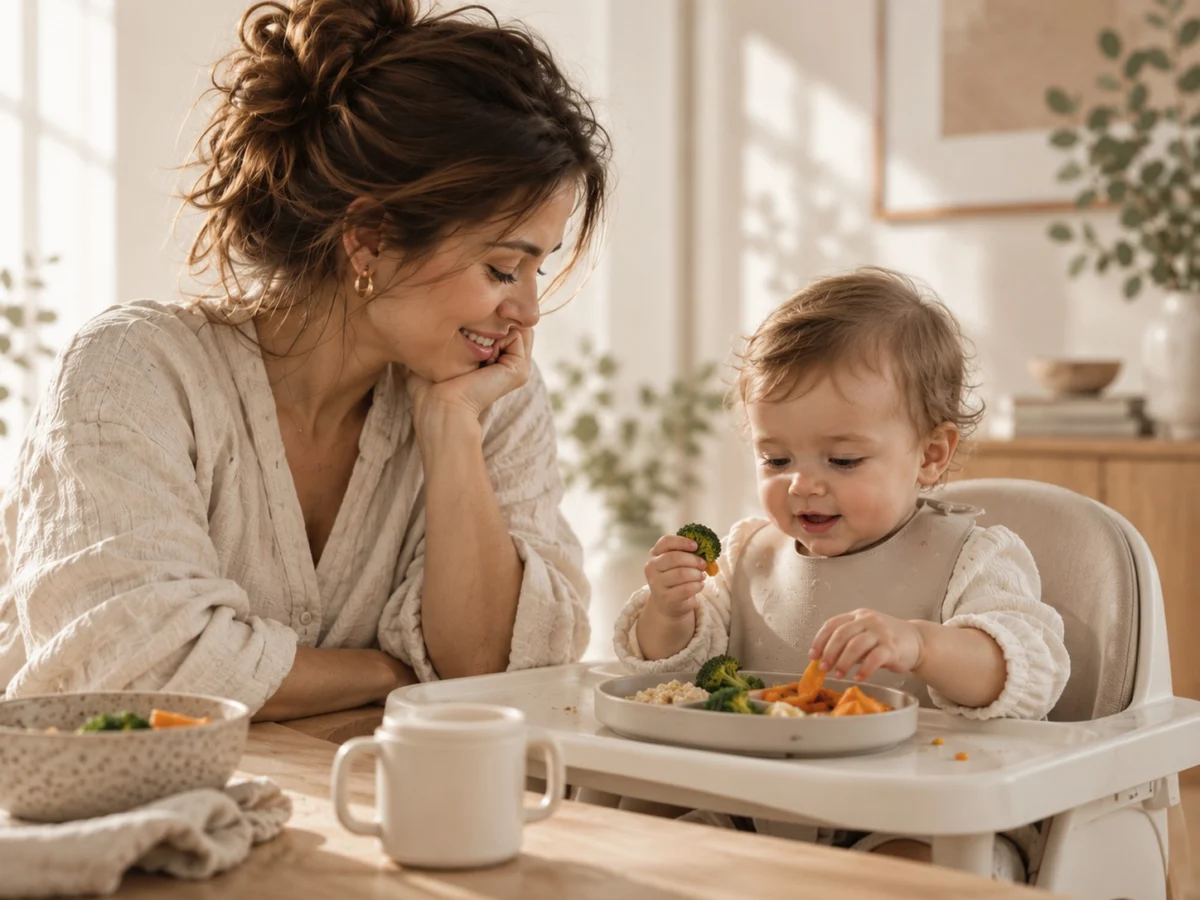
A child who eats comfortably at home can unravel in a restaurant for reasons that have little to do with food: they waited thirty minutes, the room is loud, they are tired, and they have been sitting since before the bread arrived.
The most useful restaurant tool for families is often not in the activity bag. It is choosing a context that does not demand more waiting, stillness, and regulation than the child can realistically manage that day. The better the setup fits your child’s actual capacity, the less you have to compensate later with threats, rewards, or nonstop entertainment.
Choose the timing before you choose the menu
An amazing restaurant at an impossible hour may be a worse family experience than a simple place while everyone still has energy. Earlier reservations, avoiding peak waits, or not placing dinner immediately after an exhausting activity can change the entire meal.
Think about the whole day. A toddler who spent three hours at a museum may have very little capacity for a long dinner even if they usually sit fairly well. An older child may manage more waiting if they have had movement, food, and downtime beforehand.
If the time cannot move, adjust another variable: offer a small snack first, reduce pre-table waiting, order something for the child early, or plan for a shorter meal. Restaurant logistics work better when they do not depend on your child arriving in their best possible mood.
Pick a restaurant that fits your family that day
There is no single definition of kid-friendly. One family benefits from a lively place with fast service; another needs outdoor space, room for a high chair, or an easy path to the bathroom. Identify the friction you most want to avoid.
Before booking, it can help to know typical service speed, whether reservations are accepted, whether a stroller can be accommodated when relevant, and whether the menu includes something your child recognizes. The goal is not to demand a children’s menu. It is to avoid combining hunger, patience, and completely unfamiliar food into one test.
This does not limit you to restaurants designed around families. Many places work well with kids at a quieter hour and for a realistic length of time. The same restaurant can be a great choice at 5:30 and a poor one at 8:30.
Define what you expect before you walk in
“Behave” is too abstract. A usable expectation might be staying near the table, using a reasonable voice, not running through service areas, and telling an adult when movement is needed. For a toddler, you may expect short seated periods and be willing to step outside. For an older child, you can ask for more participation and longer waiting.
Say it briefly before problems pile up: “We stay at the table while we eat. If your body needs to move, one of us can walk with you.” A movement plan keeps getting up from becoming an automatic act of defiance.
Children learn restaurant behavior by having restaurant experiences they can almost manage. The skill grows from being stretched a little, not from repeatedly being expected to function like an adult for two hours.
Bring a small amount of entertainment and use it when it adds value
A few crayons, stickers, a small book, or one quiet toy can cover part of the wait. If everything comes out immediately, nothing feels fresh when patience is lowest. Let the menu, conversation, people-watching, or helping order carry some time first.
If your family uses screens in restaurants, deciding ahead of time can reduce conflict. You might save one for after the child has eaten something or for a specific waiting period. A deliberate choice usually feels better than negotiating a device after everyone is depleted.
Entertainment does not need to make your child invisible. It can help bridge a reasonable wait. If you need six consecutive activities to keep the meal going, the duration or timing may already be beyond what the child can sustain.
Share the adult work and recognize the exit signal
When two adults are present, decide who handles a bathroom trip or short walk while the other finishes ordering or eating. Without a plan, both adults can feel continually interrupted and start resenting who has gotten less of a break.
It can also help to ask for the check before the situation is completely broken. Sometimes the child is done twenty minutes before the adults want the meal to end. Take turns outside, get dessert to go, or close the meal. Staying on principle does not necessarily teach more; it may make the final twenty minutes the only part everyone remembers.
If one outing goes badly, ask which variable was too demanding before deciding “we can’t take our kids to restaurants.” It may have been the hour, wait, noise, duration, or a packed day beforehand. Changing one variable next time teaches you more than abandoning restaurants entirely or repeating the same setup.
Success is not a child behaving like an adult for an entire meal. It is a family sharing a public space, practicing age-appropriate skills, and leaving before the experience starts demanding something the child no longer has.